
Health
Sherry Jackson Surrena 1957-2026
By Derek Johnson
Advertisement · Why this ad?
Tom McCarthy is a seasoned political reporter with a degree in Political Science from the University of Cincinnati. He has spent over 15 years reporting on local government issues for the Youngstown News and has developed a keen understanding of the political landscape in the area.
More from Tom →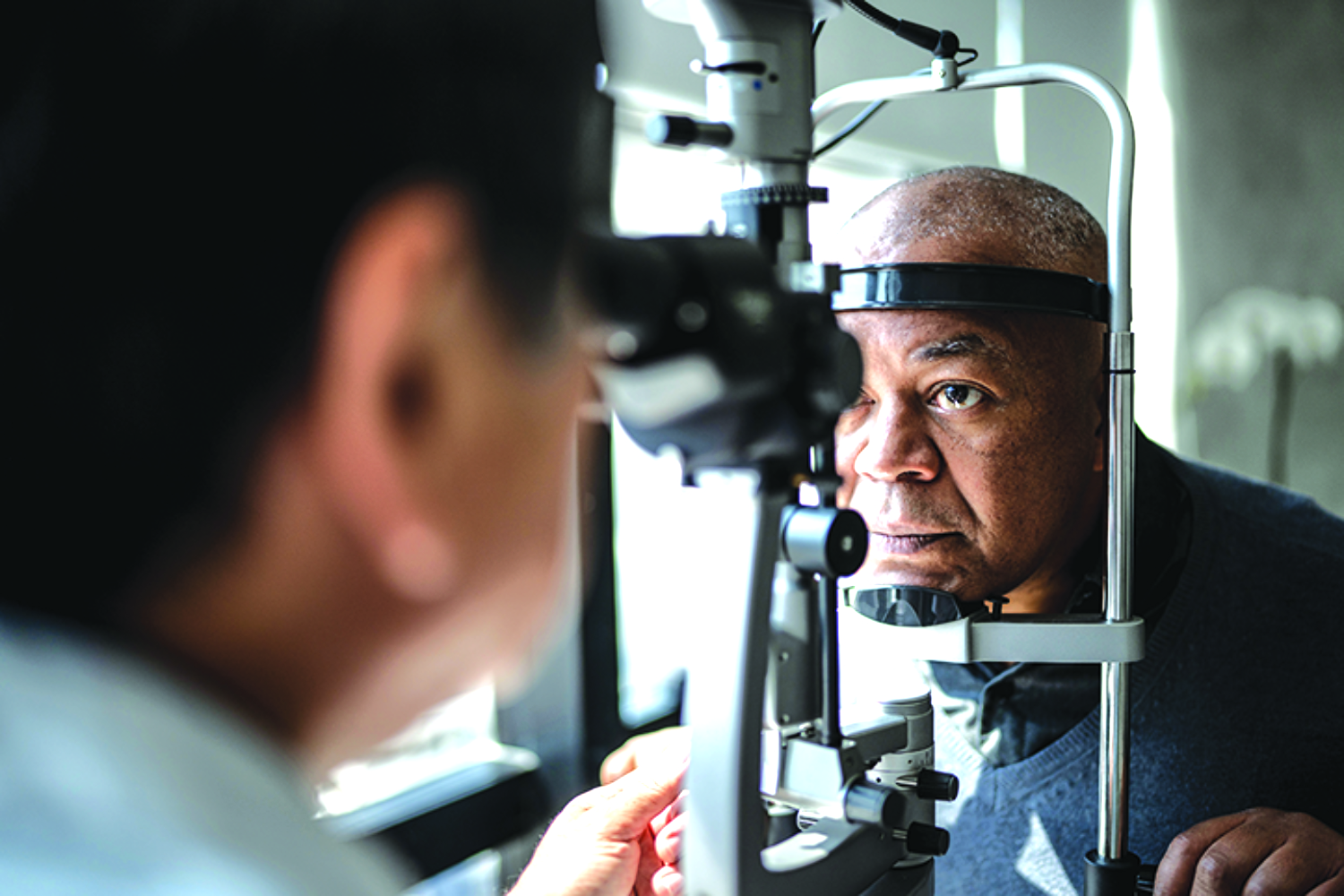
Lifestyles The basics of diabetic eye disease By MetroCreative November 10, 2026 3 min read MetroCreative Diabetic eye disease is a potential complication of diabetes that patients may be forced to confront at some point in time. Trending Diabetes is a serious condition that can adversely affect a person’s quality of life. That’s a reality well-known to the hundreds of millions of individuals across the globe who are living with diabetes. According to the International Diabetes Federation Atlas, 10.5 percent of the global adult population between the ages of 20 and 79 has diabetes, and those figures are expected to increase to roughly 12 percent by 2045. The side effects of diabetes are wide-ranging, which explains why life with the disease can be so challenging. Diabetes can even affect vision, and some with the disease may experience diabetic eye disease, the mention of which may prompt questions among patients and their families. What is diabetic eye disease? The term “diabetic eye disease” is something of a misnomer, as it actually refers to a group of eye issues that can affect people with diabetes. According to the National Institute of Diabetes and Digestive and Kidney Diseases, diabetes can damage the eyes over time, potentially leading to poor vision and possibly blindness. What are some conditions that fall under the umbrella of diabetic eye disease? Diabetic retinopathy, diabetic macular edema, cataracts, and glaucoma are some examples of diabetic eye disease. Each of these conditions is different. • Diabetic retinopathy: The Mayo Clinic notes that diabetic retinopathy is caused by damage to the blood vessels of the retina. Individuals with type 1 or type 2 diabetes can develop diabetic retinopathy, which can lead to blindness. • Diabetic macular edema (DME): The organization Prevent Blindness reports that DME may affect up to 10 percent of individuals with diabetes. DME is caused by the accumulation of fluid in the macula, which is the central portion of the retina. DME can make it hard to focus and may result in substantial vision loss. • Cataracts: The American Academy of Ophthalmology notes that cataracts occur when proteins in the natural lens of the eye break down, causing things to look blurry, hazy or less colorful. The AAO notes normal eye changes that begin to occur after age 40 are the most common cause of cataracts. But diabetes also causes cataracts, and can do so even before a person reaches 40 years of age. • Glaucoma: The Cleveland Clinic notes glaucoma is a general term used to describe various conditions that damage the optic nerve. Fluid buildup in the front part of the eye puts extra pressure on the eye, gradually damaging the optic nerve. When should a doctor be consulted? The NIDDK urges anyone with diabetes to contact a doctor right away if they notice sudden changes to their vision. Such changes may include flashes of light or more floaters (spots in the line of vision) than usual. Individuals who feel as though a curtain is being pulled over their eyes are also urged to see a doctor immediately. Diabetic eye disease is a potential complication of diabetes that patients may be forced to confront at some point in time. More information is available at niddk.nih.gov.